Answered the big question on post-its
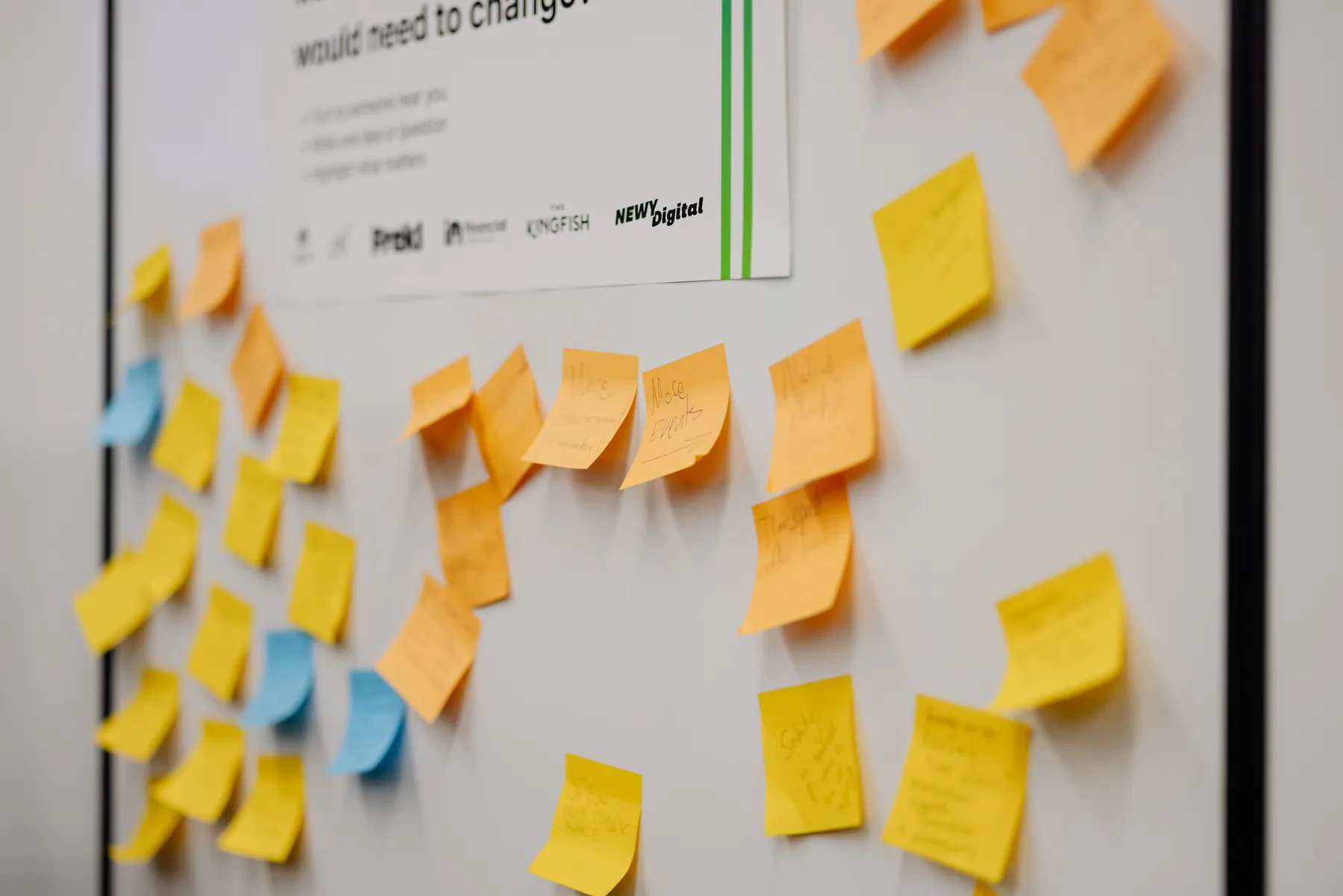
Every room opened with a single question. Attendees wrote back, one idea per note, until hundreds of them covered the boards.
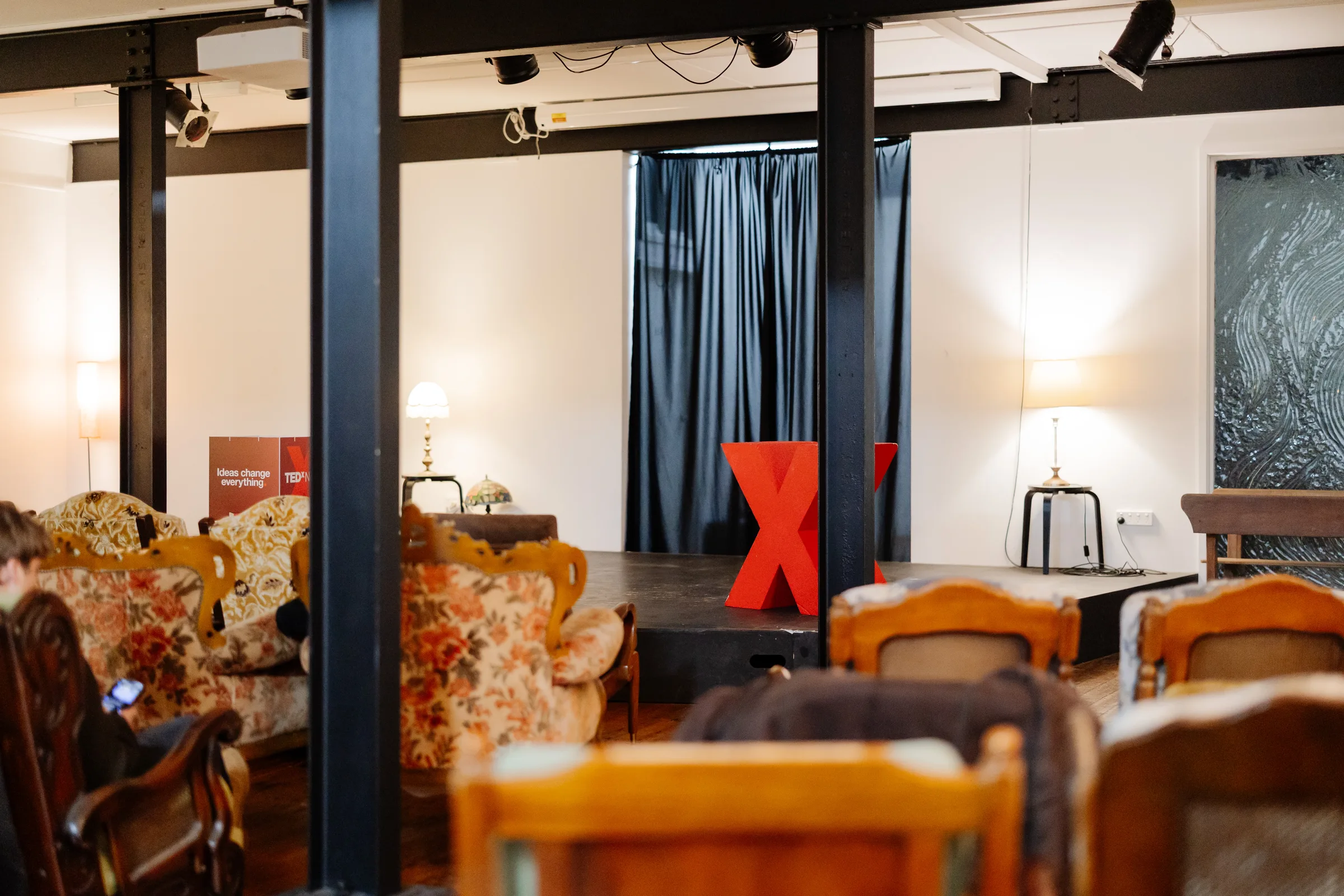
TEDxNewy’s 2026 season opener, held on Thursday 30 April at the Q Building, Honeysuckle. Three themed rooms, bold questions and an evening spent imagining what Newcastle becomes by 2050. This is what the night captured.
An evening of bold questions, creative thinking and new perspectives, across three themed rooms imagining how Newcastle moves, lives and gathers in 2050. Live discussion, interactive screens and hands-on activities, with one provocation in common: what if?
Attendees didn’t just watch. They wrote, mapped, modelled and voted, and by the end of the night the walls and maps were a live portrait of the city Novocastrians want. Everything below is drawn straight from that record.
Each of the three rooms worked around its own map of the city. Together these activities turned a night of conversation into something that could be counted, mapped and kept.
Every room opened with a single question. Attendees wrote back, one idea per note, until hundreds of them covered the boards.
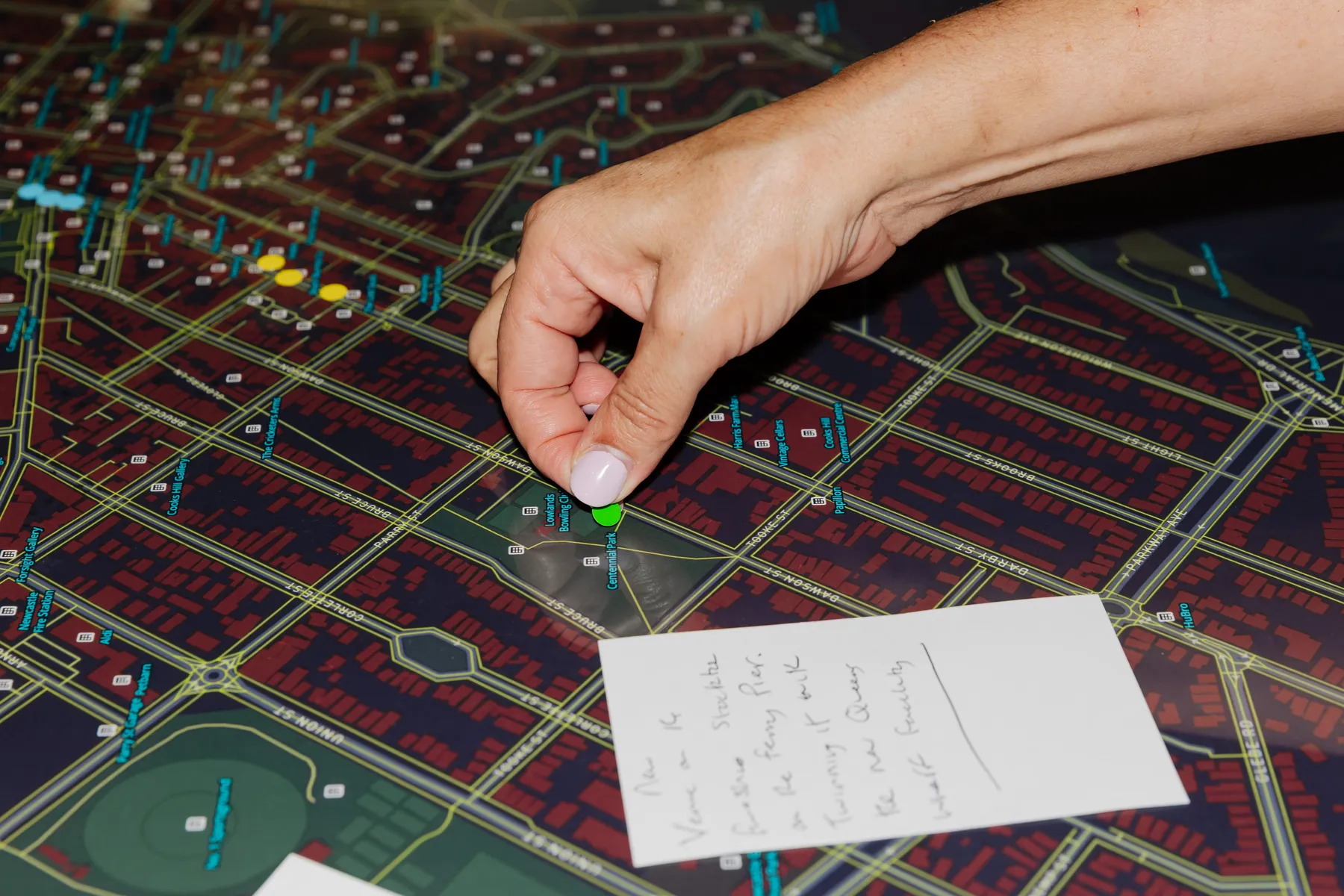
Each room had its own printed street map. Attendees placed colour-coded dots and written annotations to show where change should land, and why.
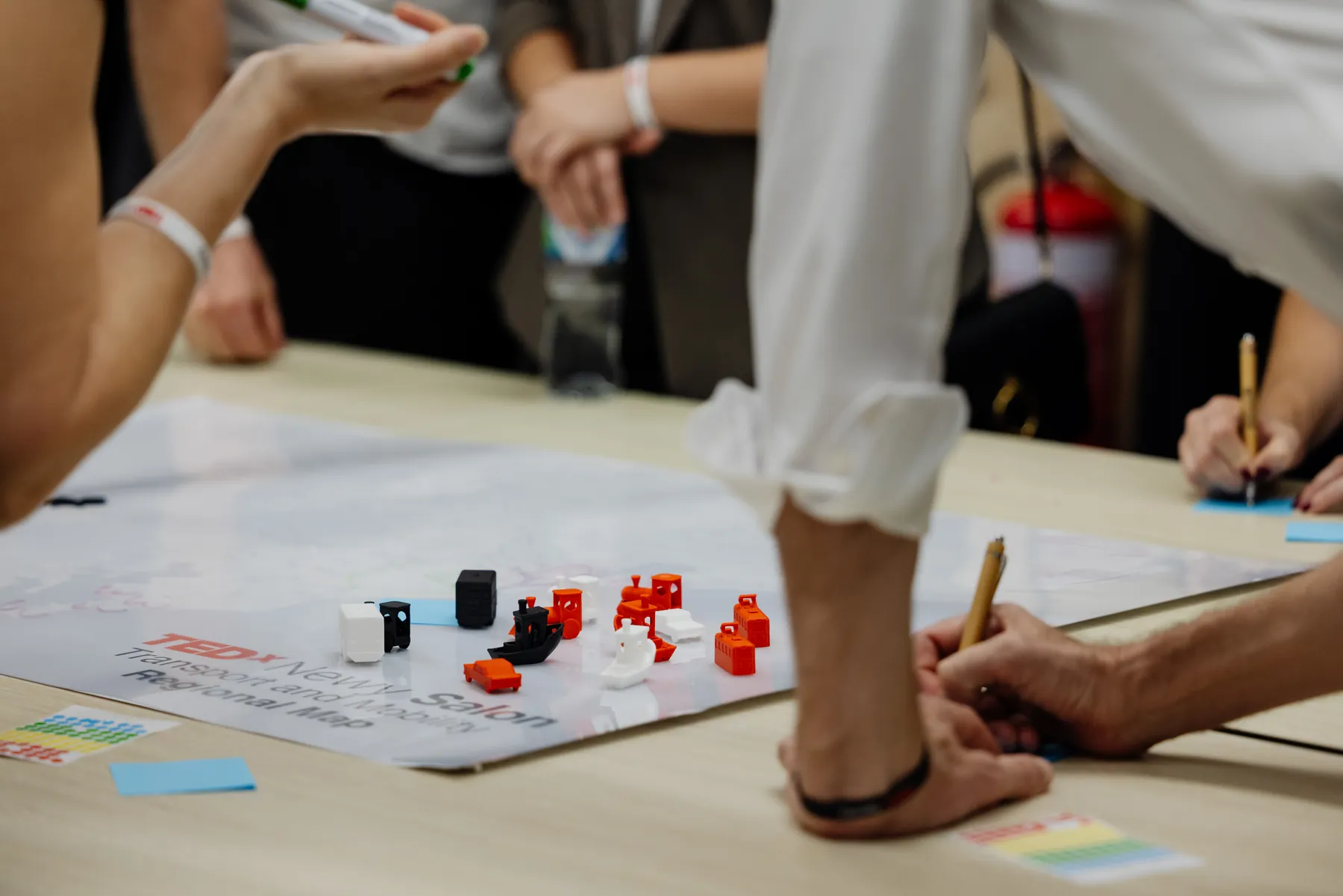
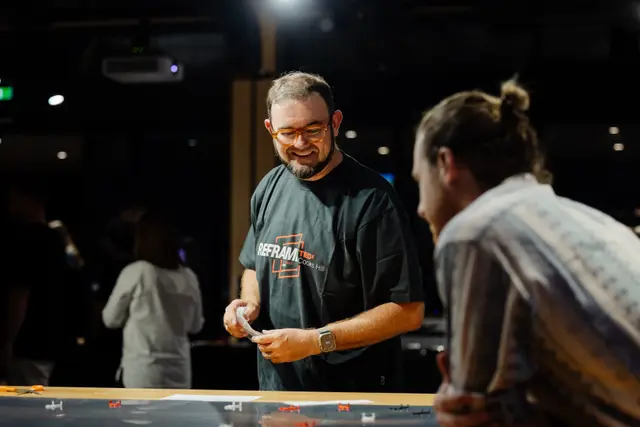
Physical models were moved around the maps to show how people live, gather and travel, with each map photographed and the conversation around it recorded.
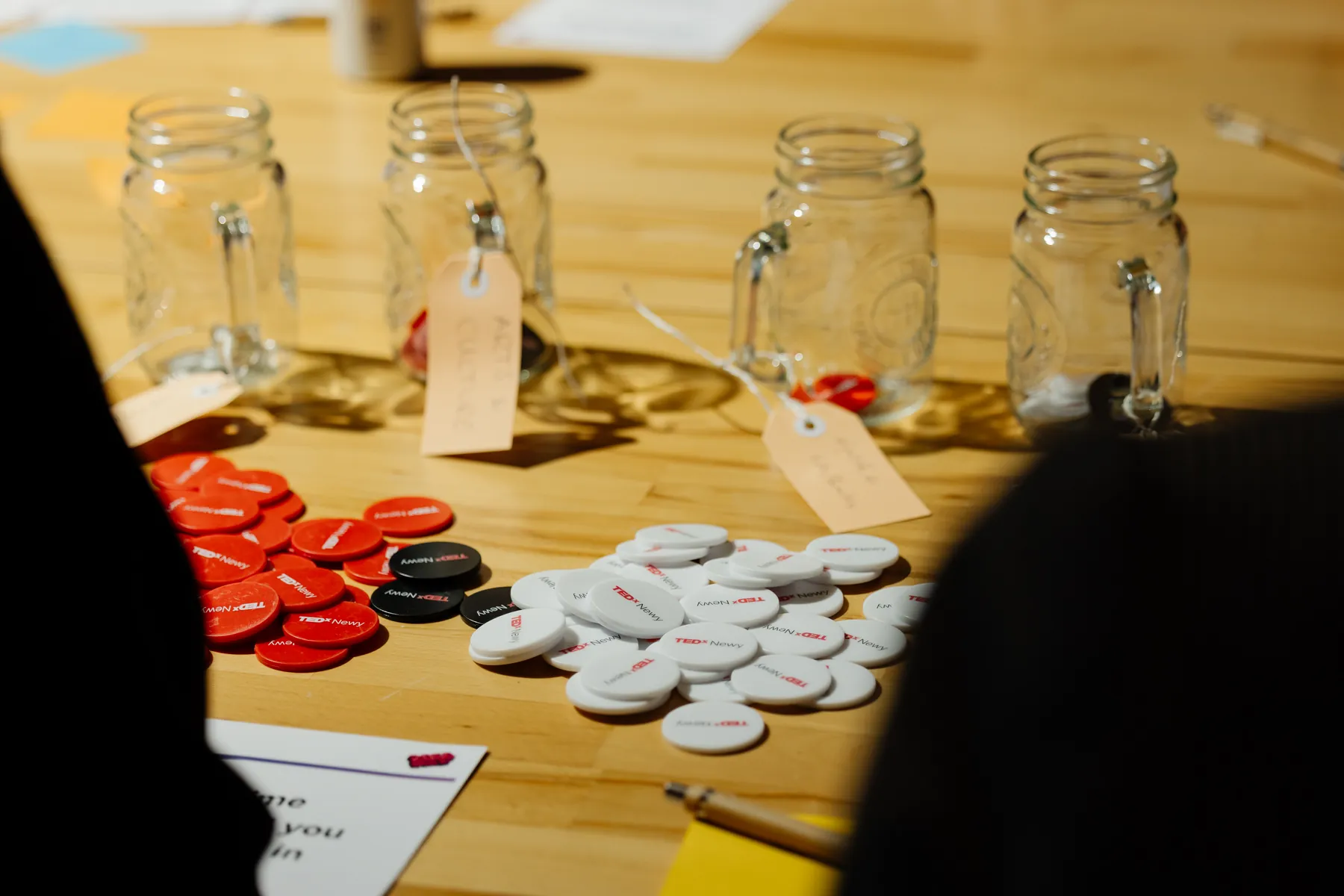
Red, white and black tokens went into labelled jars, turning a room full of opinions into a clear, honest read on what mattered most.
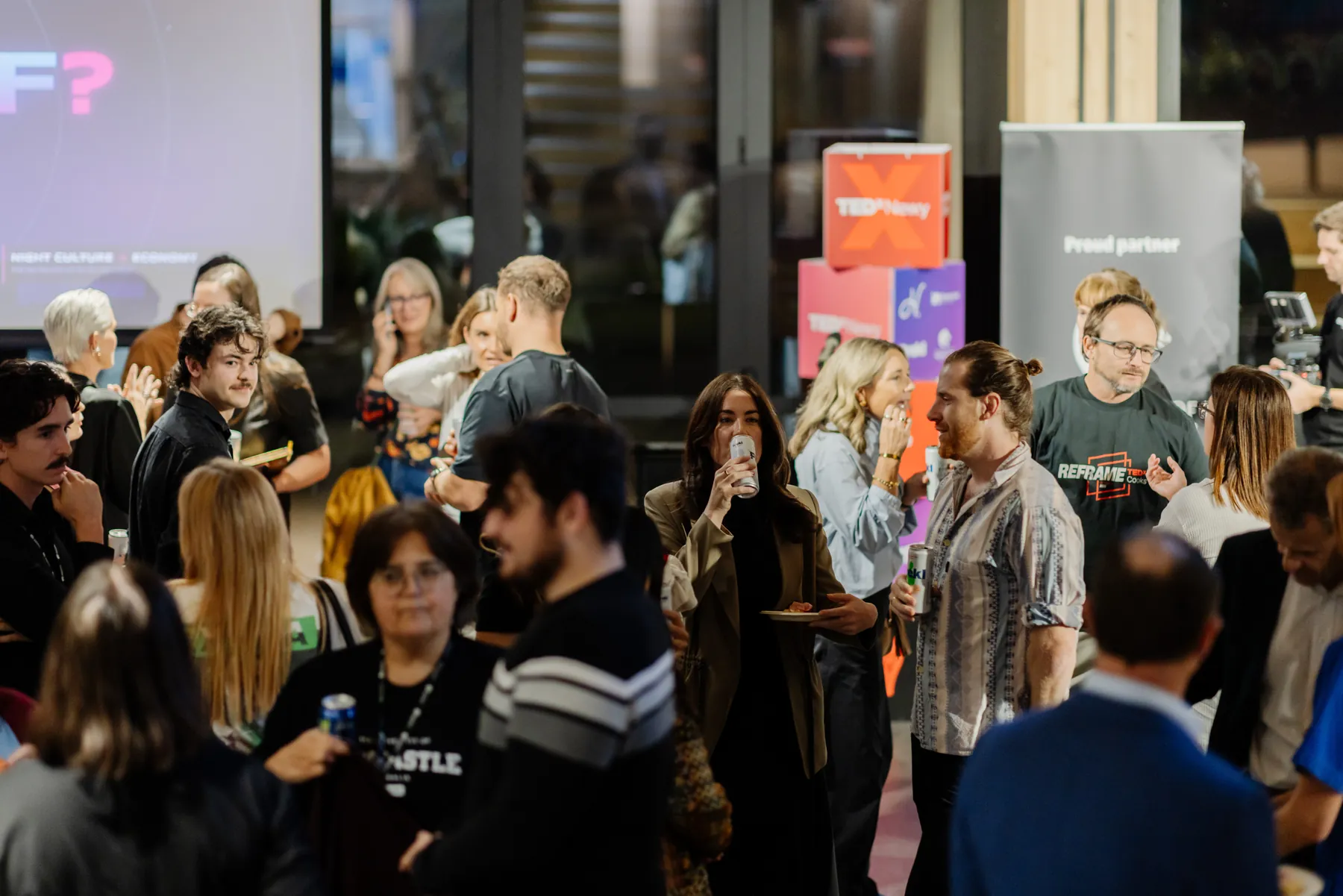
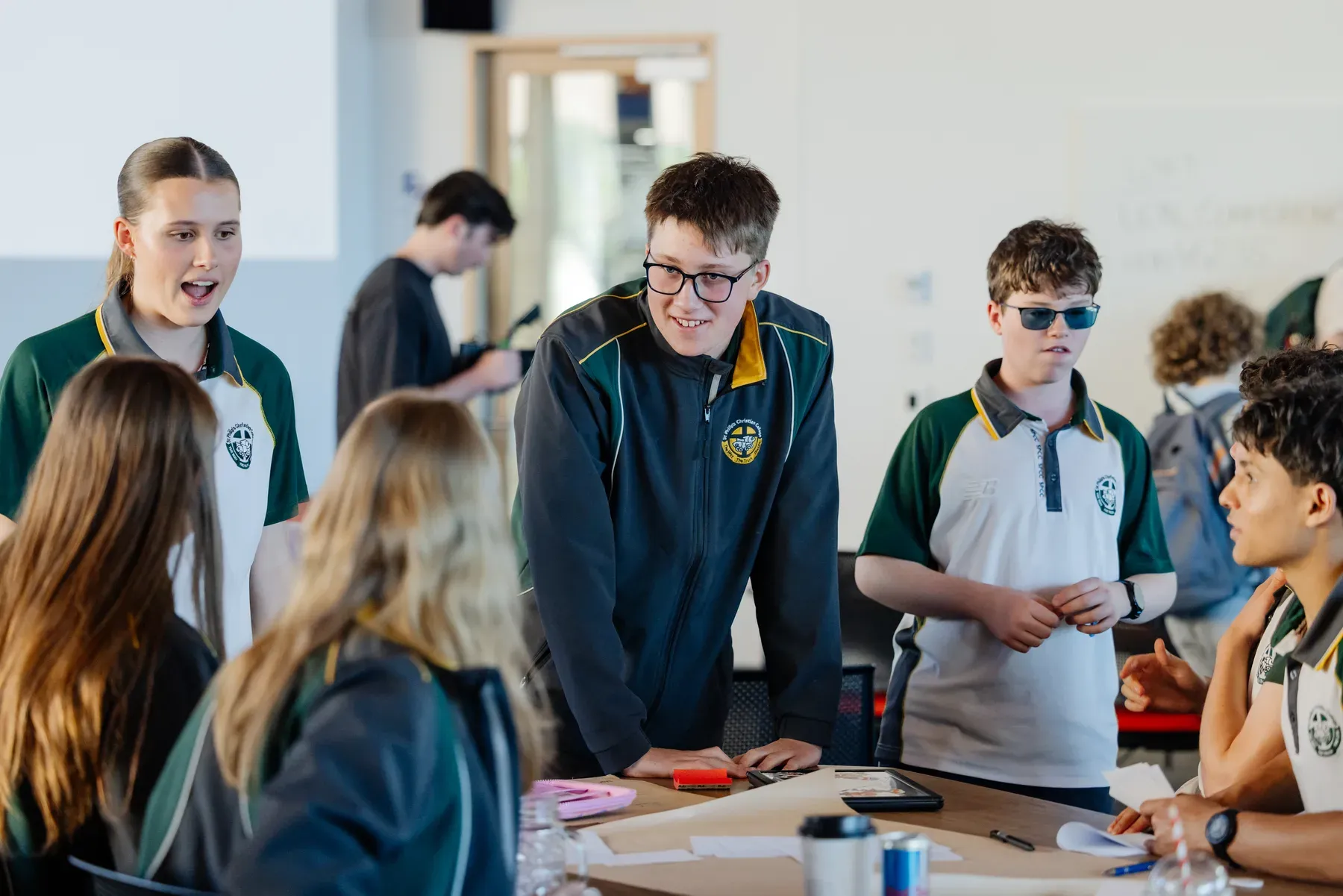
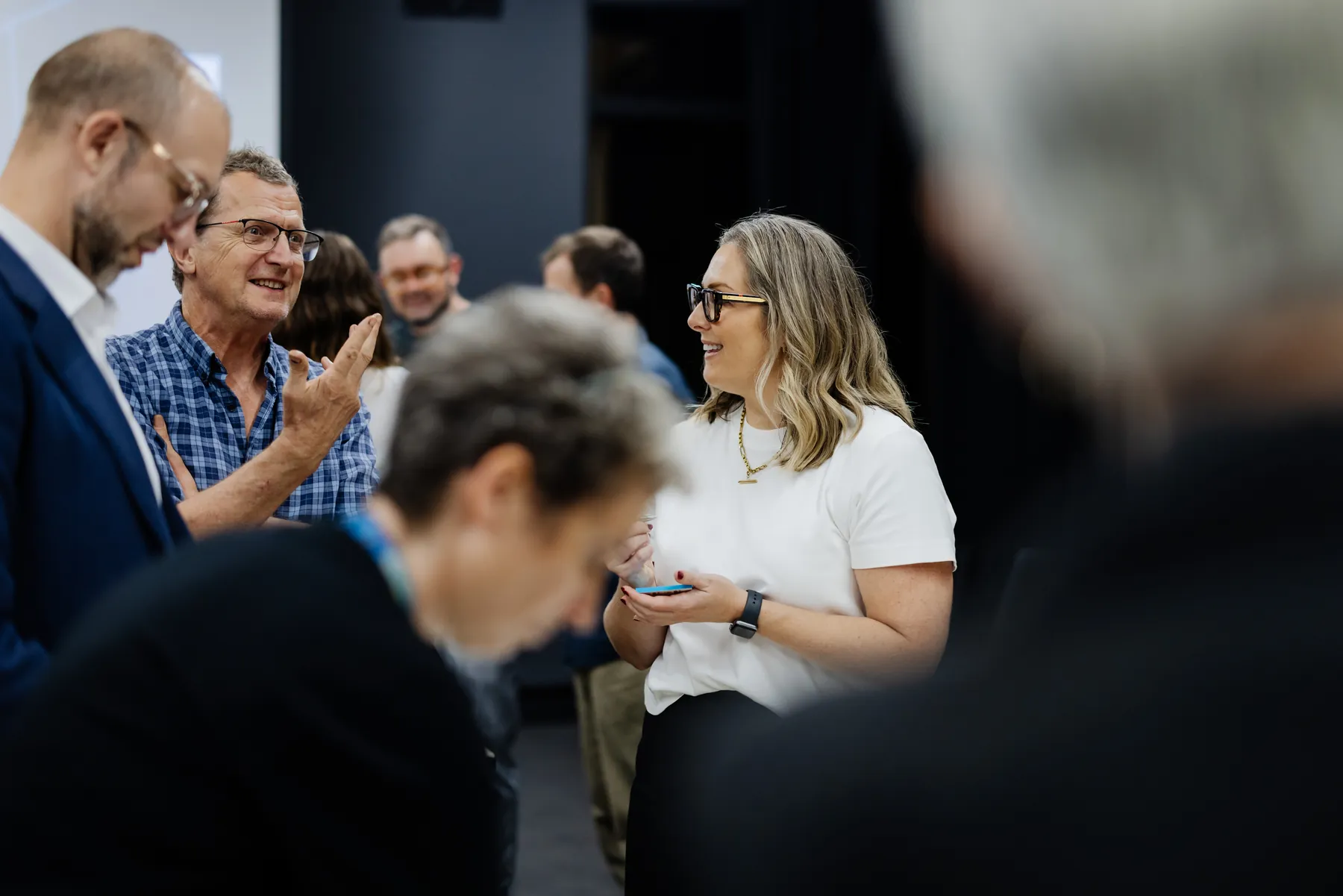
A room of Novocastrians unpacking the next twenty-five years, guided by subject-matter experts and communication specialists from the University of Newcastle.


Each room explored one question about Newcastle in 2050. The findings below come straight from the notes, maps and conversations captured in each.
How will we move through, in and out of Newcastle in 2050?
Newcastle is ready to be an e-bike, light-rail, walkable city. The appetite is here; the infrastructure is lagging behind it.
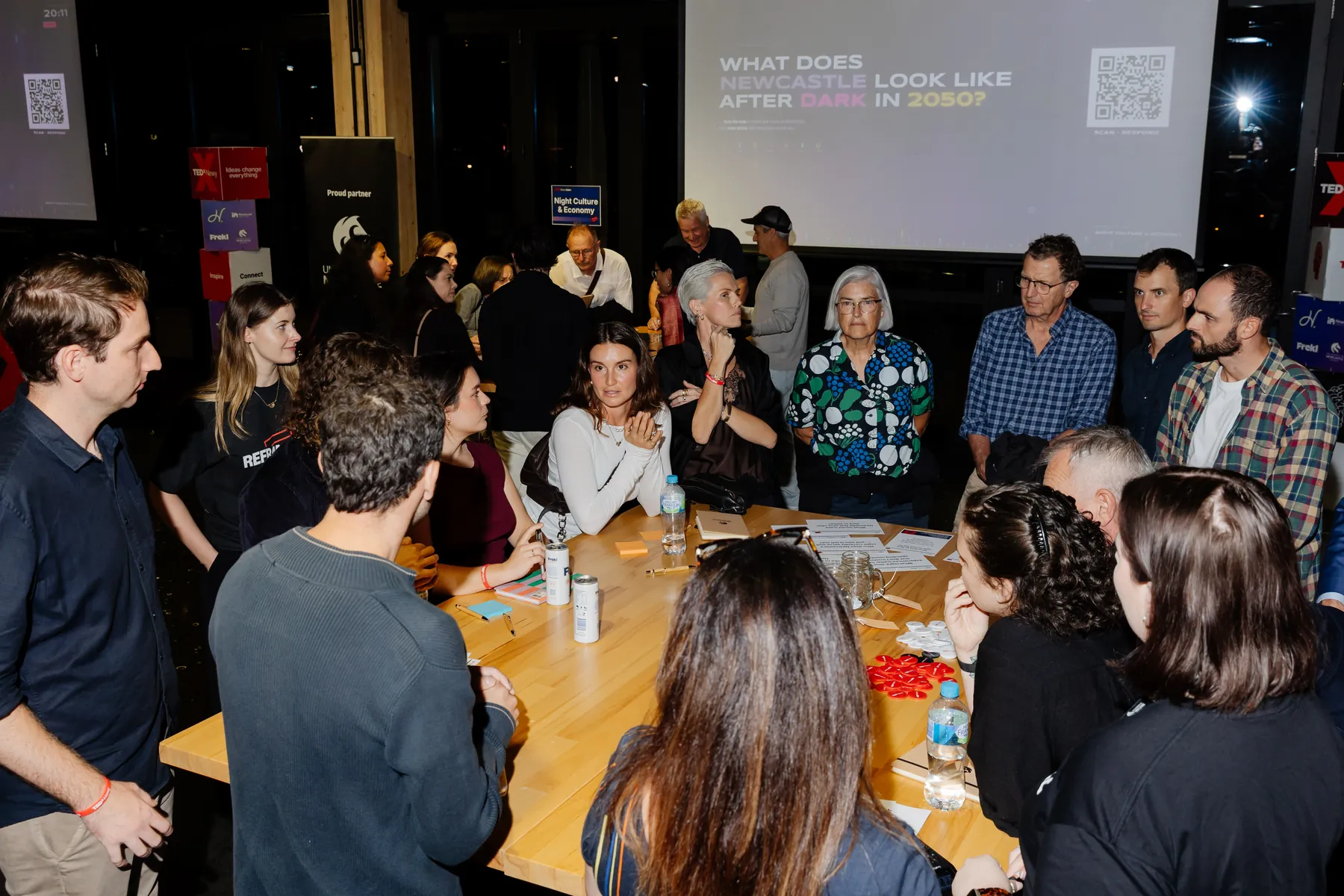
How will we live well in the city in 2050?
The room named loneliness as the central health concern, and answered it with intergenerational mixing, third places, and food-and-fire rituals.
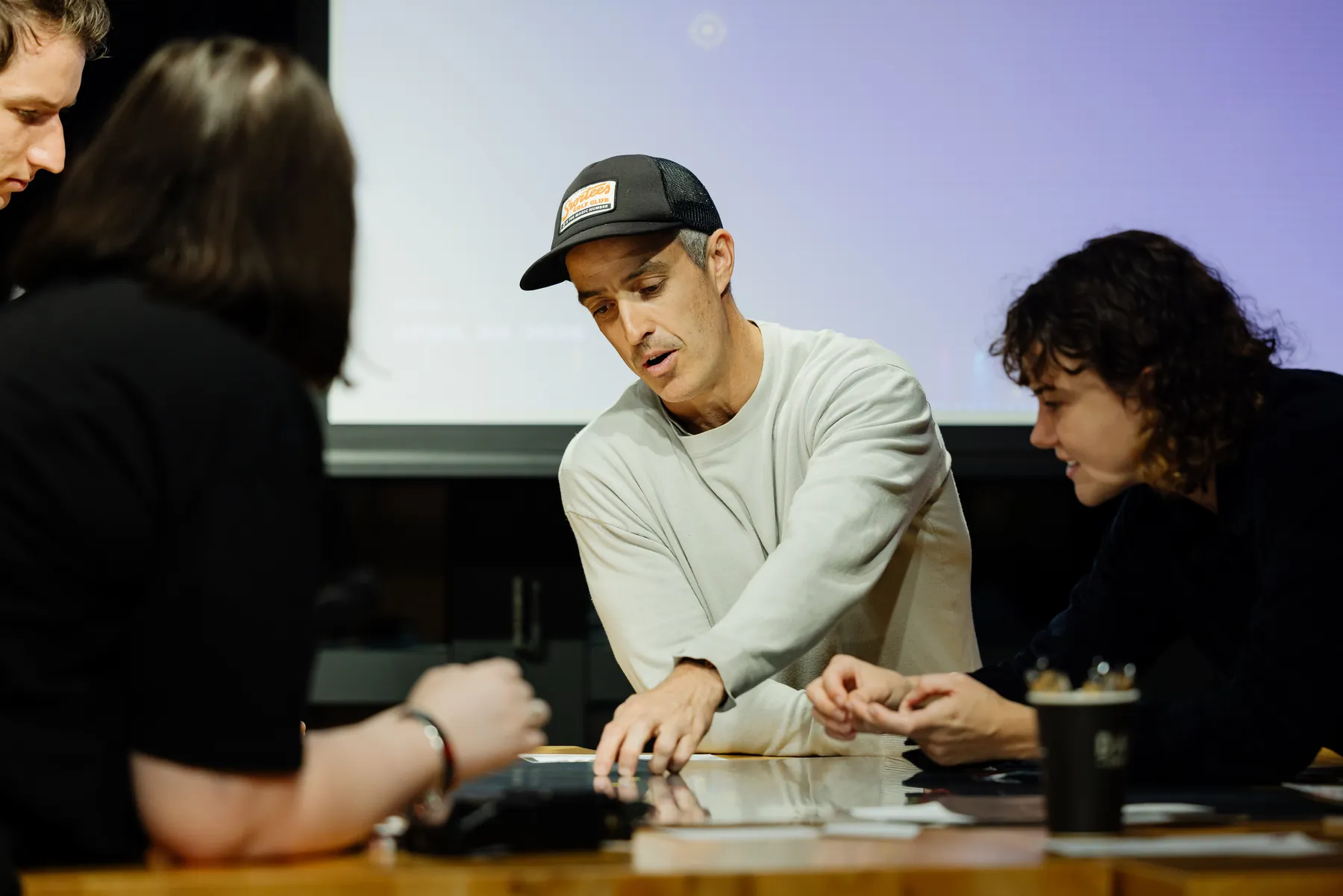
How will we experience the city after dark in 2050?
Newcastle after dark is a string of disconnected pockets. The room wanted them threaded together with light, transit and suburb-level life.
Across the three rooms, attendees left their mark on a map of the city through colour-coded dots, written annotations, and physical models moved across the map and captured on camera. Room conversations were recorded and transcribed, and every post-it note was read from photographs and deduplicated to a single entry. Health and Wellbeing was captured entirely on paper.
The 297 written notes from all three rooms, grouped by what they were about. They are one of several data streams from the night, sitting alongside the maps, dots, models and recordings.
Connect the precincts, Darby to Beaumont to Honeysuckle to Wickham. Connect the ages, aged care beside child care, with the 14 to 18 and the 65-plus crowds both named as underserved. Connect the suburbs to the centre, through park and ride, suburb hubs and village squares. Connect the senses, with light, lighting trails, walkable paths and coloured footpaths. The strongest civic ask in the room was not for new buildings. It was for the threads between what we already have.
These are not contradictions to resolve. They are the design tensions any 2050 plan has to negotiate, and the salon held them all in a single evening.
Most people drove to the venue. Most notes wanted the opposite future.
We don't need to spend much. What we have, we just haven't activated yet.
A village square in each neighbourhood. A western hub. Hubs in suburbs.
Both wanted, neither replacing the other. Cafes, swims, good bands, not alcohol.
The room liked them, and also wanted them off Honeysuckle and off the Fernleigh footpath.
The 65-plus apartment buyer and the 18 to 25 nightlife crowd share the same block.
If high-speed rail is not actively planned, it will decrease housing affordability.
The night-time service curve is U-shaped, and the room noticed.
TEDxNewy is volunteer-run and not-for-profit. This salon was made possible by four partners from across the Hunter.
Every room, every map, every conversation, captured across the evening. Browse and download the full set.
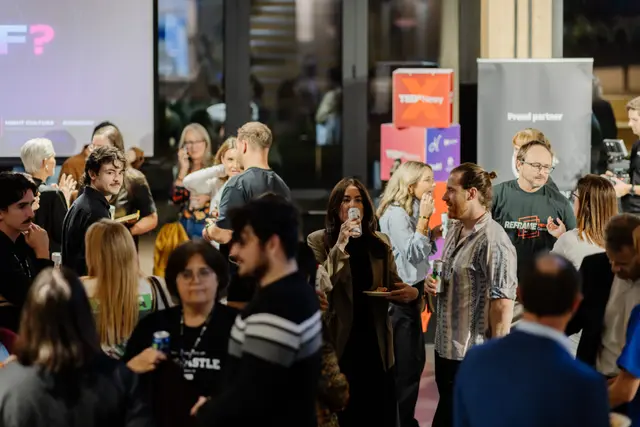
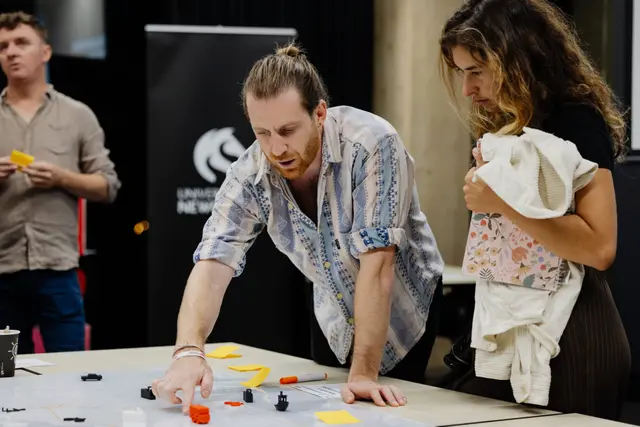
Everything from the night, written up into a white paper: the findings, the tensions and the next steps, with every post-it and the full transcripts reproduced in the appendices. Produced in partnership with the University of Newcastle.